Human factors in system design
Human factors is a discipline concerned with understanding how people interact with systems, and designing user interfaces that facilitate safe and efficient control and monitoring of those systems.
When designing the user interfaces for a digital switching system, you are able to choose from a number of different switching mechanisms. Any one, or a combination of, the following switching mechanisms may be available:
Switching mechanism |
Description |
|---|---|
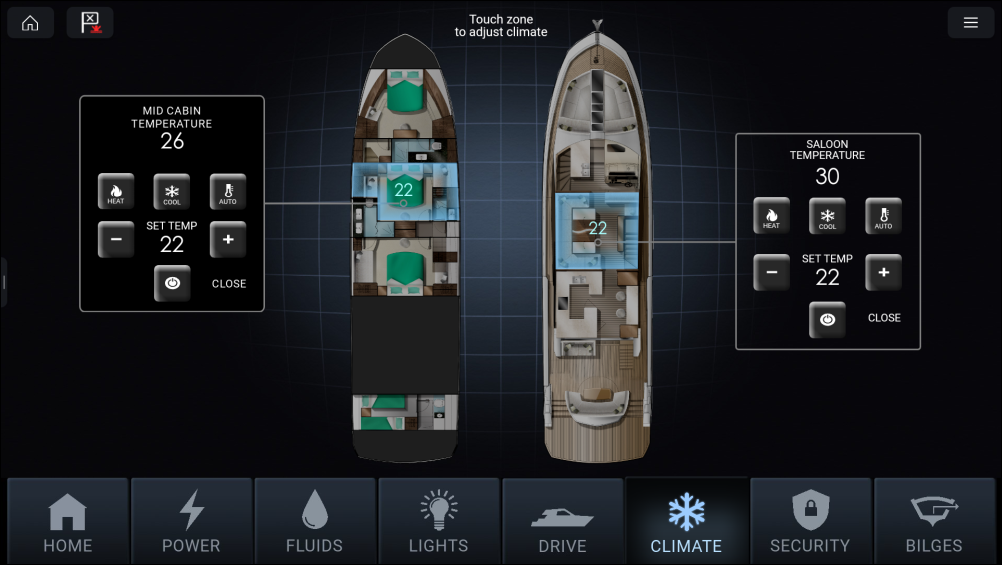 |
Soft-switches on a touchscreen multifunction display (MFD) Soft switches include on/off buttons, toggle buttons, option buttons, sliders and momentary buttons). |
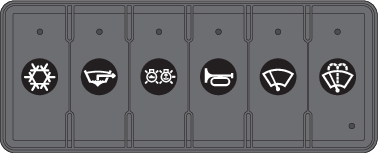 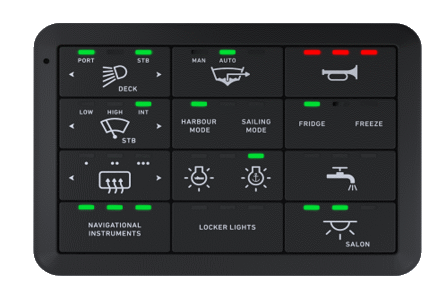 |
Buttons on a SeaTalk NG/NMEA 2000 keypad. |
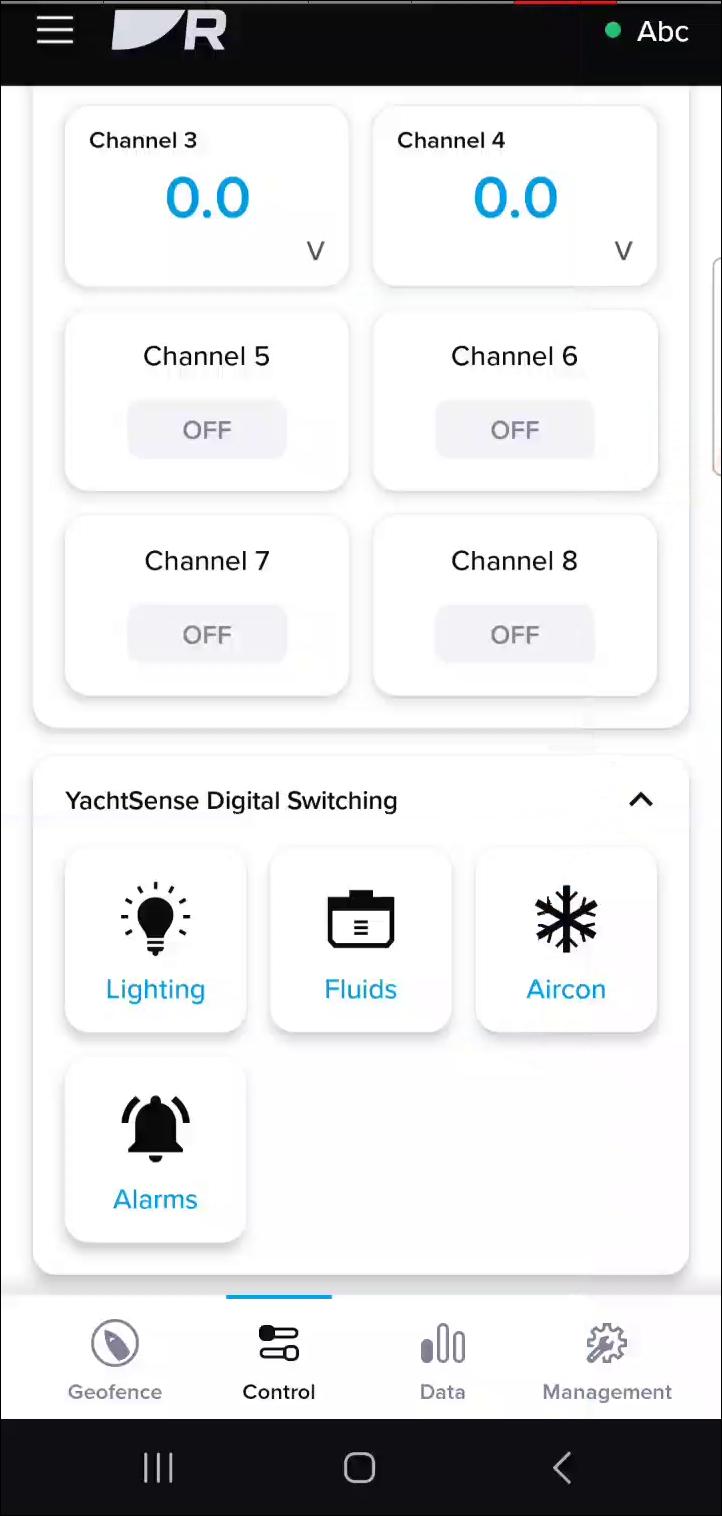 |
Remote switching using an app or a web interface (running on a smart phone or tablet), or by sending a GSM SMS text message. |
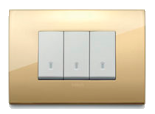 |
Short-range wireless switches. |
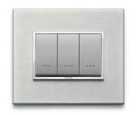 |
Traditional push-button switches (including momentary, latching, and rotary switches). |
the type of equipment or system being switched
the physical environment and location of both the switched equipment and the switch
the capabilities of the user operating the switch
a requirement to display status information for the switched equipment or system
the relationship, if any, between the switched item and other items or systems